AI's Role in the 2026 Midterm Elections Raises Misinformation Concerns
The 2026 midterm elections have underscored the growing influence of artificial intelligence on voter decision-making.
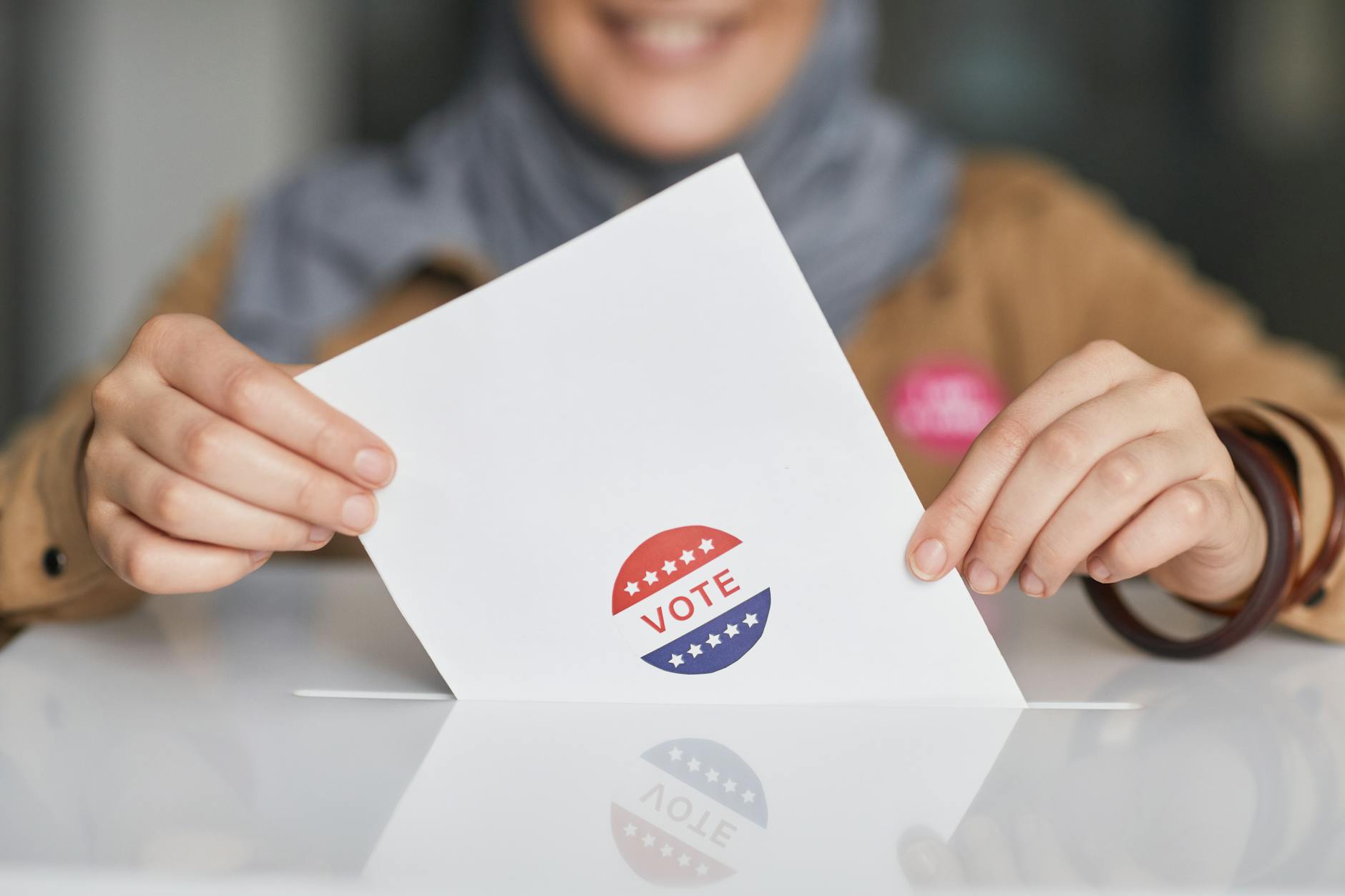
AI's Influence on Voter Decision-Making
The 2026 midterm elections have underscored the growing influence of artificial intelligence on voter decision-making. Around 50 percent of recently surveyed U.S. adults have at one time used an AI chatbot, and 8 percent say they have used these tools ahead of the midterms to find information on candidates and policies, according to Pew Research. This reliance on AI tools raises questions about the accuracy and reliability of the information voters receive.
Misinformation from AI Chatbots
Research indicates that many AI chatbots, including popular models like OpenAI's ChatGPT and Anthropic's Claude, often provide outdated or incorrect information. According to research by Forum AI, almost 40 percent of election answers given by all the mainstream chatbots contained at least one factual error. For example, Google's Gemini chatbot incorrectly stated the deadline for requesting mail-in ballots in Pennsylvania, highlighting the potential for misinformation to impact voter behavior.
The Rise of 'Pink Slime' Websites
The issue is exacerbated by the prevalence of so-called "pink slime" websites, which masquerade as legitimate news outlets but are funded by political or ideological groups. NewsGuard's research indicates that mainstream chatbots frequently cite these unreliable sources, with OpenAI's ChatGPT referencing them in more than 70 percent of searches. This reliance on biased information can distort voters' perceptions and decisions, further complicating the electoral landscape.
AI's Role in Political Campaigns
Candidates in the 2026 elections have increasingly focused on AI regulation as a pivotal issue. Democratic candidates, in particular, have amplified their opposition to big tech and AI, with a significant increase in campaign ads mentioning "Big Tech" compared to previous election cycles. This shift reflects a broader concern among voters regarding the implications of AI and data privacy, which could shape future regulatory frameworks.
Voter Concerns About AI and Data Privacy
Voter sentiment around AI and data privacy is becoming a critical factor in elections. Issues such as the expansion of surveillance technology and the energy costs associated with data centers have emerged as key topics. In Texas, for instance, candidates advocating for moratoriums on data center development have gained traction, indicating a growing public backlash against the tech industry's influence.
The Potential for AI to Mislead Voters
Experts warn that many voters may not be equipped to navigate the complexities of AI-generated information. Nina Jankowicz, a former disinformation czar, expressed concerns that Americans are ill-prepared to make informed electoral decisions in an environment dominated by AI. The predictive nature of chatbots means they can generate misleading content when they lack accurate data, potentially leading voters astray.
Regulatory Implications for AI in Elections
The outcomes of the midterm elections will likely influence how Congress addresses AI regulation moving forward. As candidates leverage AI-related issues to rally support, the next Congress may face increased pressure to establish clearer guidelines governing AI's role in political discourse and campaign strategies. This could include measures aimed at curbing misinformation and ensuring transparency in AI-generated content.
Conclusion: Navigating the AI Landscape
As the integration of AI into the electoral process continues to evolve, creators and media professionals must remain vigilant about the sources of information they utilize. Understanding the mechanisms behind AI-generated content and its potential pitfalls is essential for fostering informed decision-making among voters. Engaging with reliable sources and advocating for transparency in AI applications can help mitigate the risks associated with misinformation in future elections.