Apple's AI Strategy Focuses on Meaningful Integration
Apple's commitment to meaningful AI integration is evident in its approach to product development and user experience.
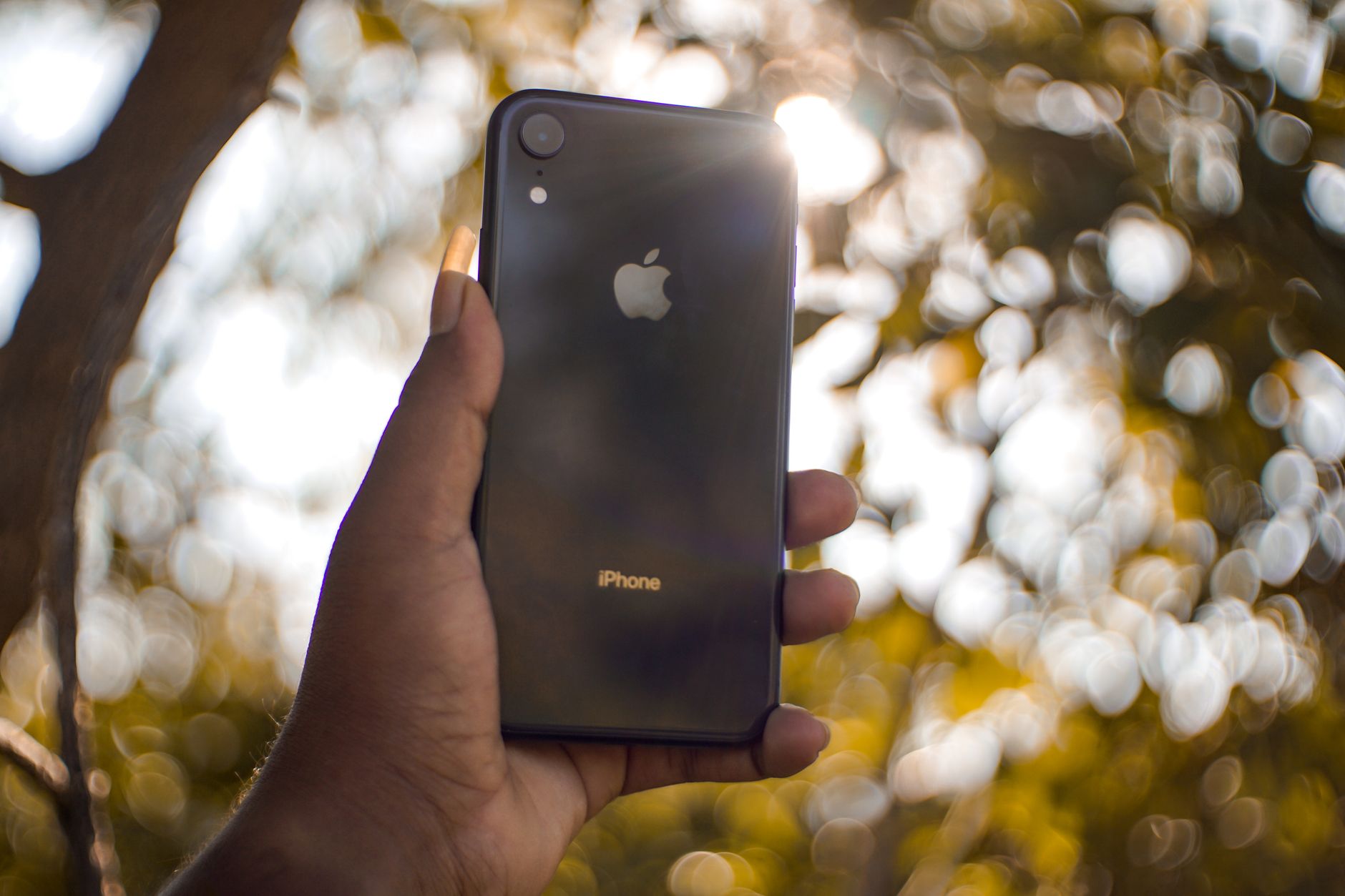
Commitment to Meaningful AI Integration
Apple CEO John Ternus recently articulated the company's philosophy regarding artificial intelligence (AI), stating that Apple does not intend to release AI features merely for the sake of following trends. In an interview with Wired, Ternus highlighted that Apple aims to leverage AI in ways that enhance user experience without making the technology the focal point of its products. He asserted, "We don't want to ship AI for AI's sake. When we're doing it right, people won't have to think about whether it was AI that made this happen or more traditional software. What matters is, did we build something that they really love?" This statement underscores Apple's commitment to integrating AI in a way that feels seamless and intuitive to users.
Delayed AI Features and Market Perceptions
Despite being perceived as lagging behind competitors in AI advancements, particularly with the delayed release of a more powerful version of Siri, Ternus expressed satisfaction with Apple's current trajectory. He acknowledged that opinions on the company's AI capabilities vary but maintained confidence in the direction Apple is taking. The recent launch of an upgraded Siri this summer is part of Apple's broader strategy to enhance its AI offerings, aiming to provide tools that genuinely improve user interaction rather than simply adding features for marketing purposes.
The Role of Human Creativity in Product Development
Ternus also addressed concerns about the potential for AI to replace traditional app development processes. He emphasized that while AI could simplify certain tasks, the creation of products remains a deeply human endeavor. According to Ternus, the personal touch and creativity involved in product design are irreplaceable, reinforcing Apple's focus on maintaining a human-centric approach in its development processes.
Upcoming AI Features in iOS 27.3
In line with its AI strategy, Apple is preparing to enter beta for iOS 27.3 on November 4, 2026. These features include notification summaries, real-time translation, and visual intelligence capabilities. Notably, this rollout will not include the new Siri AI in China, but it will incorporate earlier Apple Intelligence functionalities that enhance user productivity and creativity. Apple has also collaborated with Alibaba to integrate its Qwen chatbot into some user experiences, similar to previous integrations with OpenAI's ChatGPT.
Training AI for Regional Markets
The launch of Apple Intelligence in China follows the approval of its AI tools earlier this year. Apple has specifically trained a large language model (LLM) tailored for the Chinese market, which reflects the company's strategy of localizing its AI capabilities to meet regional needs. This approach is indicative of Apple's broader commitment to ensuring that its AI offerings resonate with users across different markets.
Implications for Creators and Studios
For creators and media studios, Apple's focus on meaningful AI integration means that upcoming tools and features are likely to enhance productivity and creative workflows rather than complicate them with unnecessary AI gimmicks. As Apple rolls out these new capabilities, creators can expect more intuitive tools that blend AI with traditional software functionalities, allowing for more seamless content creation processes.
Conclusion
Apple's commitment to meaningful AI integration, as articulated by CEO John Ternus, signals a strategic approach that prioritizes user experience over mere technological novelty. As the company prepares to introduce new features in iOS 27.3, creators and studios should anticipate tools that enhance their workflows while maintaining the human element essential to creative endeavors.


