Ricursive Intelligence Introduces AI-Designed Chips to Tackle Compute
Ricursive Intelligence is developing AI-designed chips to help alleviate the compute crisis facing the tech industry. The startup's founders, Anna Goldie and Azalia Mirhoseini, presented their vision at TechCrunch Disrupt, emphasizing the need for more efficient chip design to meet the projected demand for compute.
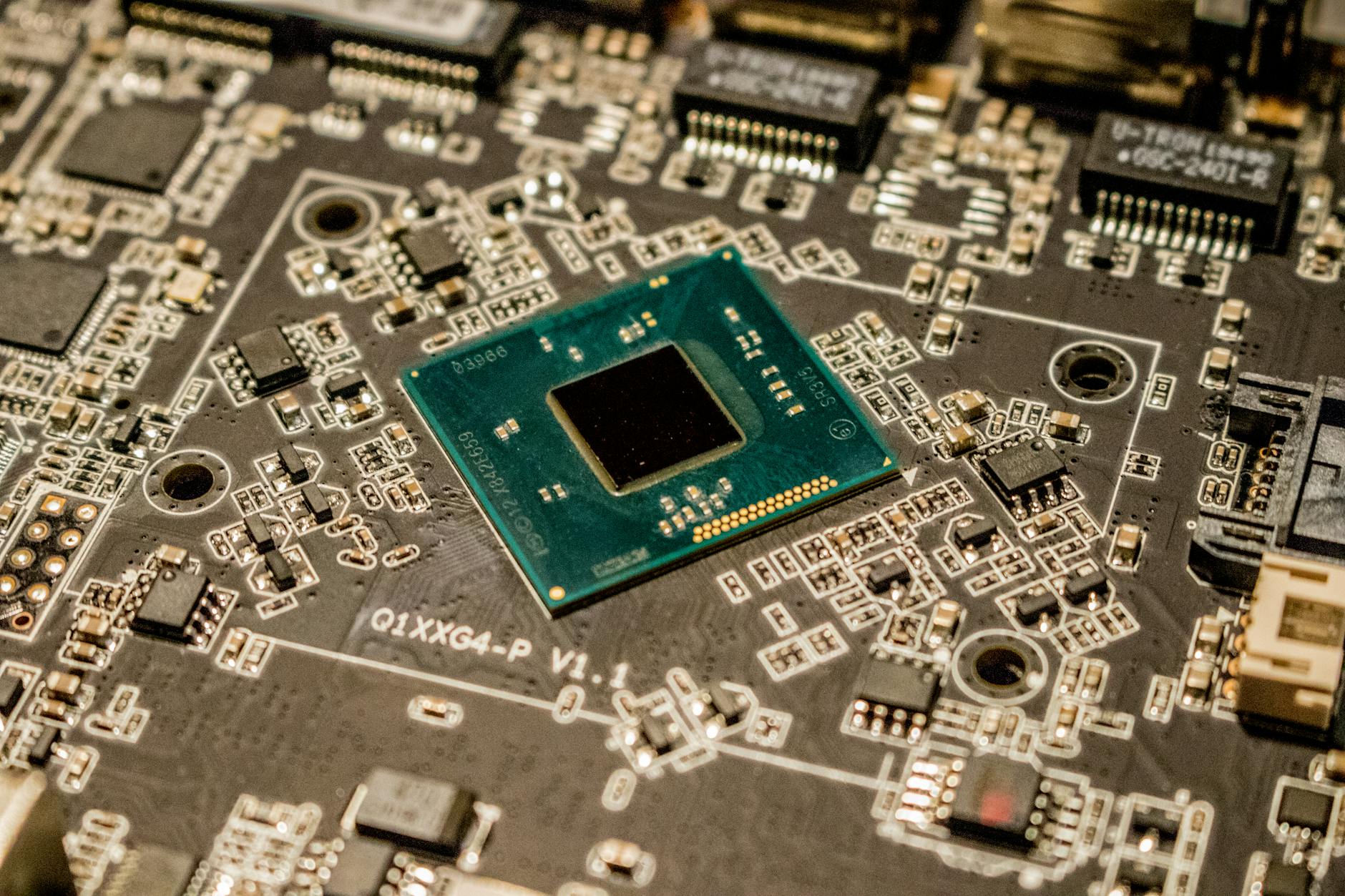
AI-Designed Chips Addressing the Compute Crisis
Ricursive Intelligence is developing AI-designed chips to help alleviate the compute crisis facing the tech industry. The startup's founders, Anna Goldie and Azalia Mirhoseini, presented their vision at TechCrunch Disrupt, emphasizing the need for more efficient chip design to meet the projected demand for compute, which Goldie stated is "at least 10,000x more demand for compute" over the next five years.
Automating Chip Design with AI
The founders argue that traditional chip design methods are inadequate for the anticipated demand. By leveraging AI, Ricursive Intelligence aims to automate and accelerate the chip design process. Their AI system can learn from each iteration, refining designs to optimize performance and efficiency. Goldie noted that the goal is not to build more data centers but to create chips that utilize existing resources more effectively.
Innovative Design Approaches
Ricursive Intelligence's AI challenges conventional chip layouts by discovering unconventional designs that outperform traditional methods. For instance, their previous AI system, AlphaChip, produced a circular, "donut-shaped" arrangement of components. This unexpected design surprised engineers but ultimately proved successful. The AI's ability to optimize entire chips rather than partitioning them into smaller blocks allows for intricate patterns and layouts, which could lead to new chip types that weren't previously feasible.
Rapid Chip Production
Goldie highlighted a significant advantage of AI-designed chips: the speed of production. Traditional chip design can take six months to two years, limiting the number of potential designs. In contrast, AI could reduce this timeframe to approximately one week. This rapid design capability enables the creation of custom chips tailored for diverse applications, including space technology, augmented reality (AR), virtual reality (VR), and biological computing, all while enhancing energy efficiency.
Implications for the Tech Industry
The implications of AI-designed chips extend beyond mere efficiency. As compute demand surges, the ability to design and manufacture chips quickly and effectively could reshape the tech landscape. Companies may find it financially viable to explore a wider array of applications, fostering innovation across sectors. This shift could also allow human engineers to focus on creative problem-solving and application development, while AI handles the execution of design tasks.
Future Developments
Ricursive Intelligence plans to share more details about their AI chip designs in the future, particularly regarding the intricate patterns and layouts their AI can create. As the demand for computing power continues to escalate, the success of their approach could signal a significant shift in how chips are designed and manufactured.
Conclusion
For creators and studios worldwide, the emergence of AI-designed chips from Ricursive Intelligence could mean access to more powerful and efficient computing resources. As the tech industry grapples with increasing compute demands, innovations like these may provide the necessary tools to support advanced media production and application development.