Claude for Developers: The API and Claude Code
Past the chat window, Claude is a developer platform: a Messages API, tool use, and an agentic coding tool. Here is how the pieces fit together.

For developers, Claude is more than a chat window. It is a platform. You reach it through an API that takes a conversation and returns the model's reply, extend it with tools the model can call, and drive it agentically through Claude Code, which works directly in your codebase. Here is how those pieces fit.
The Messages API is the foundation
Everything starts here. You send Claude a list of messages, the conversation so far, along with a choice of model and a few settings, and it returns the next message. That simple shape is the whole interface. To hold a conversation, you keep appending messages and sending the growing list back.
Around that core sit the controls you need in production. A system prompt sets the model's role and rules for the whole exchange. A parameter like temperature adjusts how deterministic the output is. And because the API is stateless, it does not remember previous calls on its own, so your application owns the conversation history and sends it each time. That statelessness is a feature, not a limitation. It puts you in full control of what context the model sees.
Tool use turns a model into an agent
On its own, a language model can only produce text. Tool use is what lets Claude act. You describe a set of tools, functions with names, descriptions, and input schemas, and when the model decides it needs one, it returns a structured request to call it. Your code runs the tool, hands back the result, and the model continues with that new information.
That loop is the foundation of every AI agent. The model asks, your code acts, the result goes back. A support agent calls a tool to look up an order. A research agent calls one to search the web. A coding agent calls tools to read and write files. The model supplies the reasoning about which tool to use and when. Your code supplies the actual capabilities.
Context, caching, and batching
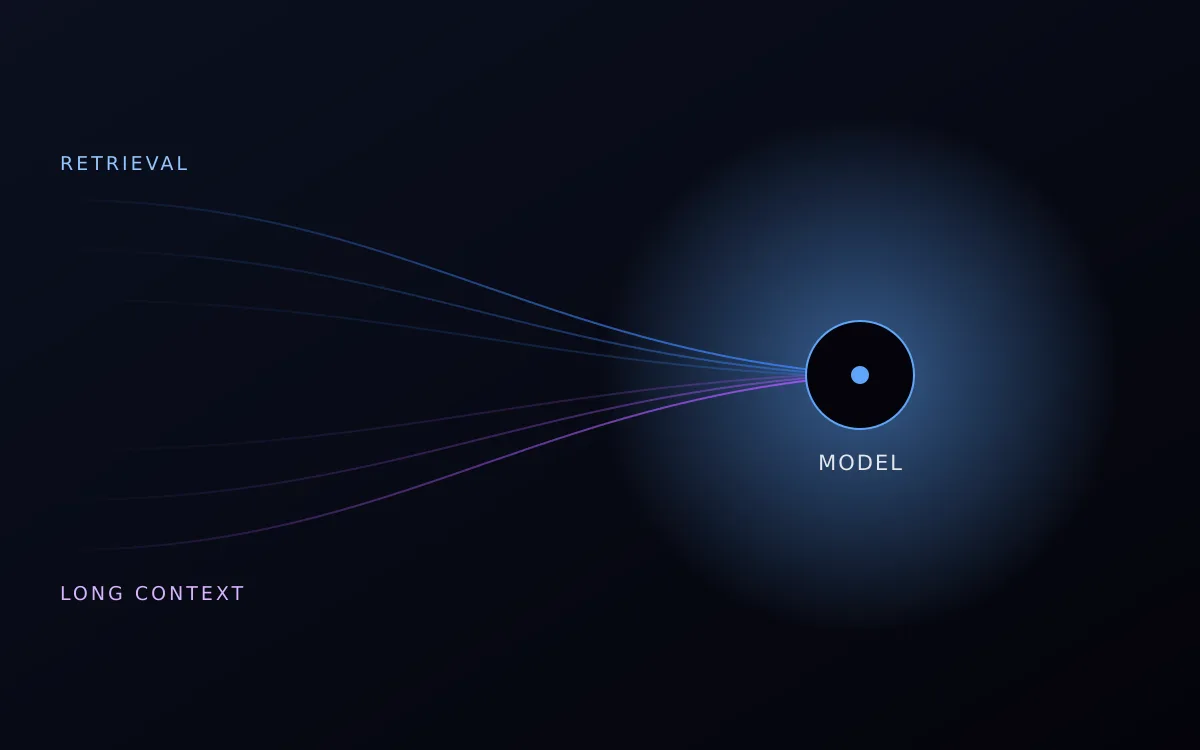
Three platform features shape what is practical to build. The large context window lets you pass whole documents or codebases in a single request, so retrieval is sometimes as simple as including the source text. Prompt caching lets you reuse a stable block of context, a long system prompt or a reference document, across many calls at a fraction of the cost. Batch processing lets you submit many requests together for asynchronous work at a lower price, which is ideal when you do not need an instant answer.
Used together, they turn workloads that would be expensive done naively into something affordable. A pipeline that runs thousands of documents against the same long instructions is a caching-plus-batching problem, and getting it right can cut the bill by an order of magnitude.
Claude Code: the model in your terminal
Claude Code is Anthropic's agentic coding tool. Instead of copying snippets between a chat window and your editor, it runs in your terminal with direct access to your project. It reads files, searches the codebase, runs commands, makes edits across multiple files, and iterates. It works the way a developer does, not one question at a time.
The shift it represents is from assistant to agent. A chat assistant tells you how to make a change. An agentic tool makes the change, runs the tests, reads the failure, and tries again. That is a different kind of help, and it is why agentic coding has become one of the most active areas in developer tooling.
Connecting Claude to your systems
An agent is only as useful as what it can reach. A growing standard for this is the Model Context Protocol, an open way to connect AI models to external tools and data through a common interface. Rather than hand-wiring every integration, you expose your systems, a database, a ticketing tool, a file store, through the protocol, and any compatible model can use them. It is plumbing. But it is the plumbing that lets an agent work against your real environment instead of a toy sandbox.
Building responsibly
Giving a model tools and access to your systems raises the stakes, so the same care that shapes Claude's design should shape how you deploy it. Scope what tools an agent can call. Confirm irreversible or outward-facing actions instead of letting them run unattended. And treat anything the model reads from the outside world as data, not as instructions. None of that is exotic. It is the difference between an agent that is useful and one that is a liability.
Where to start
The path in is short. Make a first API call with a single message to see the shape of it. Add a system prompt to set behavior. Add one tool to watch the agent loop run. Then, for real coding work, try Claude Code in a project you already know. Each step is small, and together they cover most of what you need to build serious applications on the platform.