NIT Rourkela, ISRO, Tea Board India launch AI-driven tea monitoring
NIT Rourkela, ISRO, and Tea Board India collaborate on CHAYANKAN, a three-year project using AI and geospatial data to monitor tea plantations, predict yields, and forecast pest outbreaks.
Tripartite collaboration for tea plantation monitoring
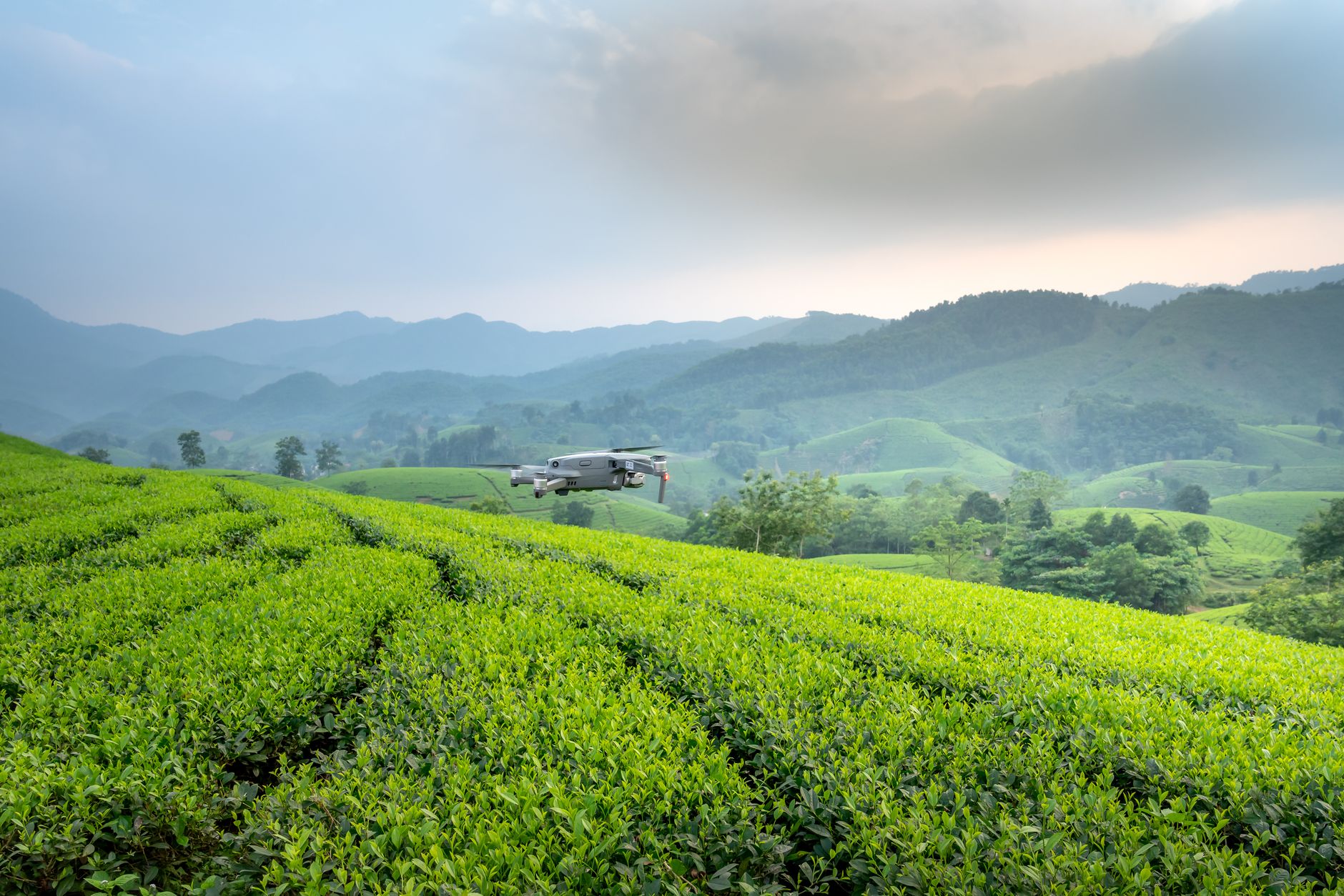
NIT Rourkela, ISRO's National Remote Sensing Centre (NRSC), and Tea Board India have signed a three-year MoU for the CHAYANKAN project. The initiative will combine satellite imagery, UAV observations, field data, and AI to monitor tea plantations, estimate yields, and predict pest outbreaks. The agreement was signed on September 6, 2026, with representatives from all three institutions present.
Technical framework of CHAYANKAN
The system integrates multi-source remote sensing data from satellites and UAVs with ground observations, processed through machine learning models. Satellite data provides broad coverage, while UAVs offer high-resolution imagery of specific areas. Field data trains and validates the AI models. Saurav Chatterjee of NIT Rourkela stated this approach will enable more precise plantation assessments than single-source methods.
Yield estimation and health assessment
Researchers will develop AI models to identify tea plantations, assess crop health, and estimate yields by analyzing combined remote sensing and ground data. Arati Paul from RRSC-East explained these models can detect spatial variations in plantation health and productivity at different scales. This provides a data-driven basis for production trend analysis and targeted interventions.
Pest and disease forecasting
The system analyzes vegetation characteristics, weather variables, and geospatial indicators to identify patterns linked to pest or disease stress. Validated against field observations, these models can provide early warnings of potential outbreaks. This shift toward predictive monitoring could enable preventive measures before widespread damage occurs.
Governance implications
For Tea Board India, the technology offers an alternative to periodic field surveys across geographically dispersed plantations. More frequent, comprehensive data on plantation extent, conditions, and productivity could improve resource allocation and policy interventions. The framework may also support stakeholders in planning and decision-making.
Project leadership and next steps
The MoU was signed by Sushil Kumar Srivastav (NRSC), Amrita Chakraborty (Tea Board India), and Saurav Chatterjee (NIT Rourkela). Prakash Chauhan (NRSC), K Umamaheshwar Rao (NIT Rourkela), and S Soundararajan (Tea Board India) attended the signing. The three-year project timeline suggests initial results could be available by 2029. Tea industry stakeholders can monitor progress through official channels from the participating institutions.